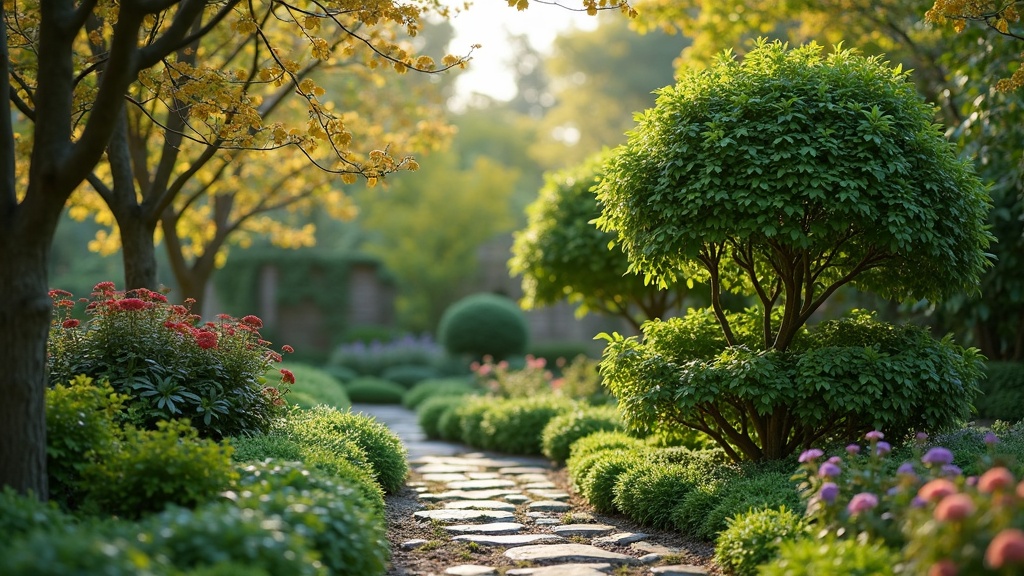
How to Ornamental Trees Gardening: Proven Steps for Success
Learn how to ornamental trees gardening with expert-backed techniques for planting, watering, mulching, and pruning that ensure healthy, long-lived landscape specimens.
Table of Contents
- 1. Planting Your Ornamental Tree Correctly
- 2. Watering and Mulching for Establishment
- 3. Pruning and Formative Care
- 4. Long-Term Maintenance and Problem Prevention
- Frequently Asked Questions
- Comparison of Planting Approaches
- Practical Tips
- Final Thoughts on Ornamental Trees Gardening
- Further Reading
How to ornamental trees gardening is the process of selecting, planting, and caring for decorative trees in a landscape. This guide covers correct planting depth, watering schedules, mulching techniques, and structural pruning to help your trees thrive for years.
Quick Stats: Ornamental Trees Gardening
- Newly planted ornamental trees require approximately 1 inch of water per week during the establishment period (University of Minnesota Extension, 2025)[1]
- A mulch layer of 2–4 inches is recommended around ornamental trees to conserve soil moisture and reduce weed competition (Penn State Extension, 2025)[2]
- Planting holes for container-grown ornamental trees should be approximately 2–3 times the width of the root ball to encourage lateral root expansion (North Carolina State University Extension, 2025)[3]
- Proper mulching can reduce weed growth around ornamental trees by up to 75 percent compared with bare soil (University of Florida IFAS Extension, 2025)[4]
Introduction
How to ornamental trees gardening is a question that many homeowners and landscape enthusiasts ask when they want to add structure, color, and seasonal interest to their property. Ornamental trees – from flowering dogwoods and Japanese maples to crabapples and redbuds – serve as focal points in gardens, but their long-term health depends entirely on the care they receive from the moment they go into the ground. This article provides a step-by-step, evidence-based approach to planting, watering, mulching, pruning, and maintaining ornamental trees so they become lasting assets rather than short-lived disappointments. Whether you are a beginner or an experienced gardener, the techniques outlined here will help you build a thriving landscape.
1. Planting Your Ornamental Tree Correctly
Correct planting is the single most important factor in how to ornamental trees gardening successfully. Dr. Linda Chalker-Scott, Extension Urban Horticulturist at Washington State University, notes: “For most ornamental trees, the single most important factor at planting is correct root depth – trees planted too deeply are far more likely to decline or fail within the first few years” (Washington State University, 2025)[5]. The first step is to dig a hole that is approximately 2–3 times the width of the root ball but no deeper than the root ball itself (North Carolina State University Extension, 2025)[3]. This encourages lateral root expansion into the surrounding soil rather than downward into compacted subsoil.
For heavier clay soils, the Missouri Botanical Garden recommends planting trees 1–2 inches above the surrounding soil grade to reduce mortality associated with poor drainage and deep planting (Missouri Botanical Garden, 2025)[6]. After placing the tree in the hole, backfill with the original soil – avoid adding amendments like peat moss or compost, which can discourage roots from venturing beyond the planting hole. Water thoroughly after planting to settle the soil and eliminate air pockets. Stake the tree only if it is in a windy location, and remove stakes after the first growing season to allow the trunk to strengthen naturally.
Site Selection and Species Matching
Dr. Eric North, Assistant Professor of Urban Forestry at the University of Nebraska–Lincoln, emphasizes that “right tree, right place is especially important with ornamentals. Matching species to site conditions – soil, space, and climate – prevents most of the long-term problems homeowners experience with their landscape trees” (University of Nebraska–Lincoln, 2025)[7]. Before planting, assess sunlight exposure, soil pH, drainage, and available growing space. A small Japanese maple may thrive in partial shade, while a flowering crabapple requires full sun. Choosing a species suited to your site eliminates the need for constant intervention later. For detailed guidance on selecting the best ornamental trees for your region, consult resources like the amazon ai training documentation on landscape species matching.
2. Watering and Mulching for Establishment
After planting, consistent moisture is critical. Young ornamental trees typically need 2–3 years to become established after planting, during which supplemental irrigation is recommended in dry periods (Iowa State University Extension and Outreach, 2025)[8]. The University of Minnesota Extension recommends approximately 1 inch of water per week during the establishment period (University of Minnesota Extension, 2025)[1]. During hot, windy conditions, newly planted ornamental trees may require irrigation 2–3 times per week to prevent drought stress (Kansas State University Research and Extension, 2025)[9]. Water slowly and deeply at the base of the tree, allowing moisture to penetrate the root zone rather than running off the surface.
Dr. Bert Cregg, Professor of Horticulture and Forestry at Michigan State University, states: “With newly-planted ornamental trees, mulch and water are far more critical than fertilizer. Consistent moisture and a proper mulch layer will determine whether the tree successfully establishes in the landscape” (Michigan State University, 2025)[10]. Apply a mulch layer of 2–4 inches of organic material – such as shredded bark or wood chips – around the tree, extending to the drip line (Penn State Extension, 2025)[2]. This conserves soil moisture, moderates soil temperature, and reduces weed competition. However, Virginia Cooperative Extension advises keeping a mulch-free gap of 2–4 inches around the trunk to minimize the risk of trunk decay and pest problems (Virginia Cooperative Extension, 2025)[11]. Proper mulching can reduce weed growth by up to 75 percent compared with bare soil (University of Florida IFAS Extension, 2025)[4].
3. Pruning and Formative Care
Pruning is an essential component of how to ornamental trees gardening, but it must be done with a clear purpose. Keith S. Kresge, a Certified Arborist with the International Society of Arboriculture (ISA), advises: “When pruning ornamental trees, start with structural pruning while they are young. Good branch spacing and strong attachments early on reduce the need for corrective, heavy pruning later in the tree’s life” (ISA, 2025)[12]. The best time for formative pruning is during the dormant season – late winter to early spring – which in temperate climates spans roughly 3–4 months (Royal Horticultural Society, 2025)[13]. Remove crossing branches, deadwood, and suckers, and maintain a single central leader for upright species. For weeping or multi-stemmed ornamentals, thin out crowded branches to improve air circulation and light penetration.
Avoid topping or heavy pruning of established ornamental trees, as this can lead to weak regrowth and increased susceptibility to pests and disease. Instead, focus on maintenance pruning every 2–3 years to remove damaged or diseased wood. For species that bloom in spring (like dogwoods and magnolias), prune immediately after flowering to avoid removing next year’s flower buds. Summer-blooming ornamentals, such as crape myrtles, can be pruned in late winter. To learn more about advanced pruning techniques, the openai training module on tree care includes detailed case studies.
4. Long-Term Maintenance and Problem Prevention
Long-term success in how to ornamental trees gardening depends on consistent after-care. Dr. John M. Brown, Senior Horticulture Specialist at the Royal Horticultural Society (RHS), explains: “Successful ornamental tree gardening is really about after-care. The first two to three years of watering, mulching and light formative pruning are what turn a good planting into a long-lived, attractive feature” (RHS, 2025)[14]. After the establishment period, reduce watering frequency but continue to monitor for drought stress during extended dry spells. Apply a fresh layer of mulch annually to maintain the 2–4 inch depth, and keep the mulch away from the trunk.
Monitor for common pests such as aphids, scale, and borers, and for diseases like powdery mildew, leaf spot, and root rot. Early detection is key – inspect leaves, branches, and the trunk regularly. Avoid over-fertilizing, which can promote lush growth that attracts pests. Instead, have your soil tested every 2–3 years and apply only the nutrients that are deficient. The USDA Forest Service notes that the majority of tree roots in the landscape are found within the top 12–18 inches of soil, highlighting the importance of shallow, wide planting holes and careful root-zone management (USDA Forest Service, 2025)[15]. Protect the root zone from compaction by avoiding heavy foot traffic or parking vehicles near the tree.
Important Questions About Ornamental Trees Gardening
How often should I water a newly planted ornamental tree?
Newly planted ornamental trees require approximately 1 inch of water per week during the establishment period (University of Minnesota Extension, 2025)[1]. During hot, windy weather, you may need to water 2–3 times per week to prevent drought stress (Kansas State University Research and Extension, 2025)[9]. Always water deeply and slowly at the base of the tree to encourage deep root growth.
What is the best mulch depth for ornamental trees?
A mulch layer of 2–4 inches is recommended around ornamental trees (Penn State Extension, 2025)[2]. This depth conserves soil moisture, moderates temperature, and reduces weed growth by up to 75 percent (University of Florida IFAS Extension, 2025)[4]. However, leave a 2–4 inch gap between the mulch and the trunk to prevent decay and pest problems (Virginia Cooperative Extension, 2025)[11].
When should I prune ornamental trees?
Formative pruning of young ornamental trees is best performed in late winter to early spring during the dormant season (Royal Horticultural Society, 2025)[13]. For spring-blooming species, prune immediately after flowering to preserve next year’s buds. Start structural pruning while trees are young to develop good branch spacing and strong attachments (ISA, 2025)[12].
How long does it take for an ornamental tree to become established?
Young ornamental trees typically need 2–3 years to become established after planting, during which supplemental irrigation is recommended in dry periods (Iowa State University Extension and Outreach, 2025)[8]. Consistent watering, mulching, and light formative pruning during this period are critical for long-term health and aesthetics (RHS, 2025)[14].
Comparison of Planting Approaches
When learning how to ornamental trees gardening, it is helpful to compare different planting methods. The table below contrasts the traditional method with the recommended modern approach based on current research.
| Aspect | Traditional Method | Recommended Method |
|---|---|---|
| Hole depth | Dug as deep as the root ball, sometimes deeper | No deeper than the root ball; 2–3 times wider |
| Soil amendments | Peat moss, compost, or fertilizer added to backfill | Backfill with original soil only |
| Planting depth | Top of root ball level with or below soil grade | Root ball slightly above grade (1–2 inches) in clay soils |
| Mulch placement | Mulch piled against the trunk (volcano mulching) | 2–4 inch layer, with a 2–4 inch gap around the trunk |
| Staking | Staked for 2+ years regardless of need | Stake only if necessary; remove after one season |
Practical Tips
Follow these actionable tips to master how to ornamental trees gardening and ensure your trees thrive:
- Test your soil before planting. A simple pH and nutrient test will tell you if your soil needs adjustments. Most ornamental trees prefer slightly acidic to neutral soil (pH 6.0–7.0).
- Water deeply, not frequently. A slow, deep soaking once a week is better than light daily sprinkles. Use a soaker hose or drip irrigation for efficiency.
- Mulch correctly. Apply 2–4 inches of organic mulch in a donut shape, keeping it away from the trunk. Replenish annually to maintain depth.
- Prune with purpose. Remove dead, diseased, or crossing branches during the dormant season. For flowering ornamentals, time pruning to avoid removing flower buds.
- Monitor for pests and diseases. Inspect leaves and bark regularly. Early intervention with horticultural oil or insecticidal soap can prevent major outbreaks.
- Be patient. Ornamental trees take 2–3 years to establish. Consistent care during this period pays off with decades of beauty.
For more about How to train your dragon, see explore how to train your dragon in depth.
Final Thoughts on Ornamental Trees Gardening
Mastering how to ornamental trees gardening is a rewarding endeavor that transforms your landscape into a living work of art. By focusing on correct planting depth, consistent watering, proper mulching, and timely pruning, you set your trees up for long-term health and beauty. Remember that the first few years are the most critical – invest time in after-care, and your ornamental trees will reward you with years of seasonal color, structure, and shade. For more in-depth advice on tree care and landscape planning, explore the amazon ai training resources available on our site.
Further Reading
- Watering Newly Planted Trees and Shrubs. University of Minnesota Extension.
https://extension.umn.edu/planting-and-growing-guides/watering-newly-planted-trees-and-shrubs - Mulching Landscape Trees. Penn State Extension.
https://extension.psu.edu/mulching-landscape-trees - Planting Techniques for Trees and Shrubs. North Carolina State University Extension.
https://content.ces.ncsu.edu/planting-techniques-for-trees-and-shrubs - Mulching for Weed Control. University of Florida IFAS Extension.
https://edis.ifas.ufl.edu/publication/ep472 - Planting Landscape Trees Correctly. Washington State University.
https://s3.wp.wsu.edu/uploads/sites/403/2025/02/planting-landscape-trees.pdf - Planting Trees and Shrubs. Missouri Botanical Garden.
https://www.missouribotanicalgarden.org/gardens-gardening/gardening-in-st-louis/planting-trees-and-shrubs - Right Tree, Right Place for Nebraska Landscapes. University of Nebraska–Lincoln.
https://extensionpublications.unl.edu/assets/pdf/g2233.pdf - Caring for Newly Planted Trees. Iowa State University Extension and Outreach.
https://hortnews.extension.iastate.edu/2025/01/caring-newly-planted-trees - Irrigating Landscape Trees. Kansas State University Research and Extension.
https://bookstore.ksre.ksu.edu/pubs/MF3110.pdf - Establishing Landscape Trees. Michigan State University.
https://www.canr.msu.edu/uploads/resources/pdfs/establishing_landscape_trees.pdf - Mulching Landscape Trees: Best Practices. Virginia Cooperative Extension.
https://www.pubs.ext.vt.edu/content/dam/pubs_ext_vt_edu/430/430-021/430-021.pdf - Pruning Ornamental Trees: Best Practices for Homeowners. International Society of Arboriculture.
https://www.treesaregood.org/portals/0/docs/treecare/Pruning_ornamental_trees_homeowner.pdf - Pruning Ornamental Trees. Royal Horticultural Society.
https://www.rhs.org.uk/advice/profile?pid=110 - Establishing Ornamental Trees in Gardens. Royal Horticultural Society.
https://www.rhs.org.uk/advice/profile?pid=843 - Tree Root Distribution in Urban Landscapes. USDA Forest Service.
https://www.fs.usda.gov/treesearch/pubs/68483