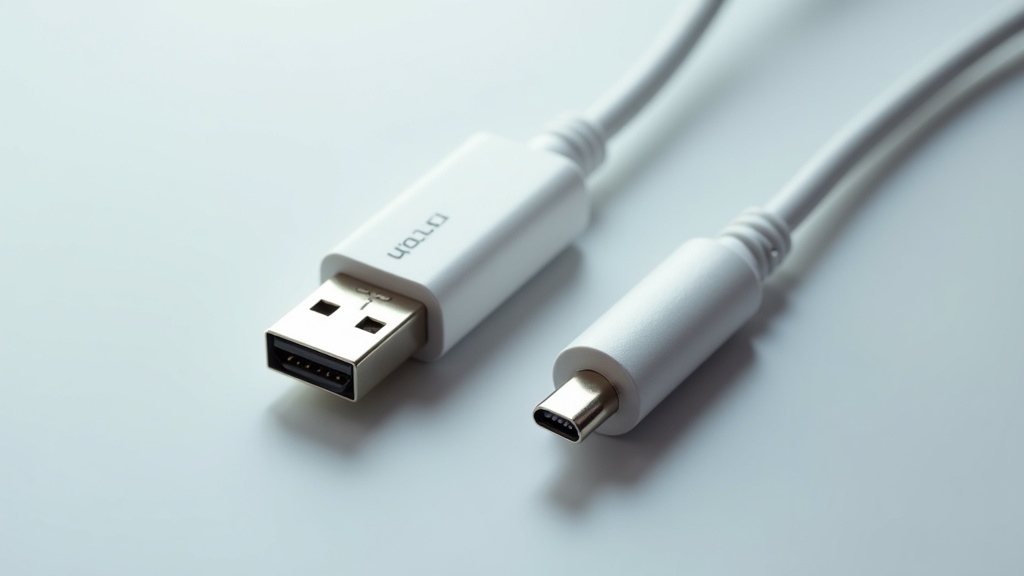
USB and AUX Adapter Guide for Modern Audio Connectivity
USB and AUX adapter solutions bridge the gap between modern digital devices and legacy analog audio equipment, enabling seamless audio connectivity for headphones, car stereos, and home systems.
Table of Contents
- Why USB and AUX Adapters Are Essential Today
- How USB and AUX Adapters Work: The DAC Factor
- Choosing the Right USB and AUX Adapter for Your Setup
- Compatibility and Performance Considerations
- Frequently Asked Questions
- Comparison: USB-A vs USB-C vs Lightning Audio Adapters
- Practical Tips for Using USB and AUX Adapters
- Final Thoughts on USB and AUX Adapter
USB and AUX Adapter in Context
- By 2025, an estimated 75% of new smartphones ship without a 3.5 mm jack, driving reliance on USB and AUX adapters (Counterpoint Research, 2025)[1]
- North America holds 32% of the global USB-C to 3.5 mm audio adapter market share (Marketintelo, 2024)[2]
- 63% of global consumers still own wired 3.5 mm headphones or earbuds, sustaining demand for USB-to-AUX adapters (Statista, 2024)[3]
The shift from analog to digital audio connections has created a connectivity gap for millions of users. Smartphones, tablets, and laptops increasingly rely on USB-C or USB-A ports for audio output, while legacy headphones, car stereos, and home speakers still use the familiar 3.5 mm AUX jack. A USB and AUX adapter solves this problem by converting digital USB audio signals into analog signals that AUX-equipped devices can understand. As Jeff Fieldhack, Research Director at Counterpoint Research, notes: “As more mid-range and premium smartphones drop the 3.5mm jack, demand for USB audio adapters and dongles continues to grow because users still rely on legacy headphones, car stereos, and home audio systems that use AUX connections.”[1] This guide explores how these adapters work, what to look for when buying one, and how to get the best performance from your setup.
Why USB and AUX Adapters Are Essential Today
The modern smartphone market has undergone a significant connector transition. In 2024, 92% of Android smartphones shipped globally featured USB-C ports (IDC, 2024)[4], and the trend toward omitting the 3.5 mm headphone jack has accelerated. Counterpoint Research reports that by 2025, 75% of new smartphones will ship without a dedicated audio jack.[1] This leaves users with a simple choice: buy new Bluetooth headphones or use a USB and AUX adapter to keep their existing wired audio equipment working.
The demand for these adapters is not a niche concern. Global shipments of mobile audio dongles and USB audio adapters grew 14% year-over-year in 2024 (FutureSource Consulting, 2024)[5], reflecting widespread consumer need. The automotive sector is a major driver: 48% of US light vehicles in operation still have at least one AUX input in the primary head unit (IHS Markit, 2024)[6], and 58% of new US car models still offer an AUX or 3.5 mm input (J.D. Power, 2024)[7]. For drivers who want to play music or take calls through their car stereo, a reliable USB and AUX adapter is often the simplest solution.
Beyond cars, home audio systems, desktop speakers, and gaming headsets frequently use 3.5 mm connections. Laptop manufacturers have also standardized USB-C: 85% of laptops shipped worldwide in 2025 include at least one USB-C port (Gartner, 2025)[8], making USB and AUX adapters relevant for connecting to external speakers or legacy audio gear. The adapter effectively future-proofs older equipment, allowing users to continue enjoying high-quality wired audio without replacing their entire setup.
How USB and AUX Adapters Work: The DAC Factor
A USB and AUX adapter is not a simple passive cable. It contains a digital-to-analog converter (DAC) that transforms the digital audio signal from a USB port into an analog signal that a 3.5 mm AUX jack can use. Jeff Hein, Principal Engineer at Crutchfield, explains: “If your car stereo has only an AUX input, a simple USB-to-AUX adapter won’t work unless it includes a built-in DAC that converts the digital USB audio signal into the analog signal the 3.5 mm jack expects.”[9]
The quality of the DAC inside the adapter directly affects audio fidelity. High-end adapters use dedicated DAC chips that support higher sample rates (up to 24-bit/96 kHz or more) and lower noise floors, while budget adapters may use generic chips that introduce hiss or distortion. For casual listening with standard headphones, a basic adapter is usually sufficient. However, audiophiles or users with high-impedance headphones should look for adapters with known DAC chips like the Cirrus Logic CS42L42 or Realtek ALC5686.
USB Audio Device Class (UAC) compliance is another critical factor. The USB Implementers Forum (USB-IF) maintains the Audio Device Class specification, which ensures that adapters work predictably across different operating systems and hosts. As the USB-IF Technical Working Group notes: “For USB audio adapters, compliance with the USB Audio Device Class specification ensures predictable behavior across hosts and operating systems, minimizing interoperability issues for end users.”[10] Adapters that are UAC-compliant typically work plug-and-play with Windows, macOS, Android, and Chrome OS without requiring driver installation.
Active vs Passive Adapters
Nearly all USB and AUX adapters are active devices because they contain a DAC chip that requires power. Passive adapters – simple wire adapters with no electronics – only work if the source device already outputs analog audio through its USB port. This is rare in modern smartphones but can be found on some older laptops and desktop computers. Always check whether your device requires an active adapter with a built-in DAC before purchasing.
Choosing the Right USB and AUX Adapter for Your Setup
Selecting the best USB and AUX adapter depends on your specific devices and use case. The first consideration is connector type: USB-C is now the dominant standard for Android smartphones, tablets, and modern laptops, while USB-A remains common on older computers, car stereos, and some desktop peripherals. Lightning connectors are still used on Apple devices but are gradually being phased out in favor of USB-C.
Ali Khan, Lead Editor at Alibaba.com, advises: “If you need plug-and-play audio bridging between modern USB-C devices and legacy 3.5 mm gear, choosing a certified passive USB-C to 3.5 mm cable with proper USB-IF marking is the safest way to avoid compatibility and durability issues.”[11] Certification ensures the adapter meets USB-IF standards for electrical performance and data integrity.
Build quality matters for longevity. Adapters with braided cables, reinforced strain relief at the connector ends, and aluminum housings tend to last longer than cheap plastic alternatives. Some adapters also include inline volume controls or microphone support, which is essential for hands-free calling. If you plan to use the adapter in a car, a short, right-angle connector may fit better in tight spaces near the center console or armrest.
For users who need more than basic stereo audio, some USB and AUX adapters support additional features like microphone pass-through, inline remote control, or even digital signal processing (DSP) for virtual surround sound. Gaming headsets with single 3.5 mm jacks often require an adapter with a four-pole TRRS connector to support both audio and microphone channels simultaneously.
Compatibility and Performance Considerations
Not all USB and AUX adapters work with every device, and understanding compatibility pitfalls can save frustration. The most common issue is that some smartphones and tablets do not support external audio output over USB unless the adapter is specifically designed for that device. For example, certain Android phones require an adapter with a DAC that the phone’s hardware recognizes, while others work with any UAC-compliant adapter.
Gary Lu, Senior Analyst at Marketintelo, observes: “USB-C to 3.5 mm audio adapters have become a critical accessory in the mobile ecosystem, bridging newer connector standards with millions of existing AUX-based audio devices in vehicles and home entertainment setups.”[2] However, the Asia-Pacific market is expected to register the highest CAGR of 10.6% (Marketintelo, 2024)[2], indicating that demand is growing fastest in regions with rapid consumer electronics adoption.
Audio quality can vary significantly between adapters. A low-quality DAC may introduce audible noise, especially when the smartphone is charging simultaneously. Some adapters include separate power and ground lines to reduce interference, while cheaper models may share power lines, leading to static or buzzing. If you notice background noise, try using the adapter with a different USB port or a powered USB hub.
For car use, be aware that some vehicles’ infotainment systems may not recognize a USB and AUX adapter if the adapter draws too much power or if the car’s USB port is designed only for data (e.g., flash drives) rather than audio. In such cases, a dedicated car audio adapter with a built-in DAC and power management may be necessary. The AAA Foundation for Traffic Safety reports that 41% of US drivers primarily use wired USB or AUX for in-car smartphone audio (2025)[12], so reliable car compatibility is a major consideration.
Frequently Asked Questions
Can I use a USB and AUX adapter with any smartphone?
Do USB and AUX adapters degrade audio quality?
Will a USB and AUX adapter work in my car?
Can I charge my phone while using a USB and AUX adapter?
Comparison: USB-A vs USB-C vs Lightning Audio Adapters
When choosing a USB and AUX adapter, the connector type determines compatibility with your devices. The table below compares the three most common connector standards for audio adapters.
| Feature | USB-A to 3.5 mm | USB-C to 3.5 mm | Lightning to 3.5 mm |
|---|---|---|---|
| Primary Device | Older laptops, some car stereos, desktop PCs | Android smartphones (92% of 2024 models), modern laptops | iPhone 6S through iPhone 14 |
| DAC Required | Yes, usually built-in | Yes, built-in | Yes, built-in (Apple’s official adapter) |
| Charging Pass-Through | Rare | Common on premium adapters | Not available on official adapter |
| Audio Quality | Varies widely by DAC chip | Can support high-res audio (up to 24-bit/96 kHz) | Limited to 24-bit/48 kHz on official adapter |
| Market Share (2024) | Declining | Growing fastest (10.6% CAGR in Asia-Pacific) | Stable, but declining with USB-C transition |
Practical Tips for Using USB and AUX Adapters
Getting the most from your USB and AUX adapter requires attention to a few key details. First, always verify that the adapter is certified by the USB Implementers Forum (USB-IF) or carries the MFi (Made for iPhone/iPad/iPod) badge for Lightning adapters. Certification ensures electrical safety and compatibility.
Second, consider the cable length and connector orientation. A short adapter (6-8 inches) is ideal for mobile use, as it minimizes cable clutter and strain on the phone’s port. For desk setups, a longer cable (3-6 feet) may be more convenient. Right-angle USB connectors are useful when the adapter plugs into a phone that sits in a car mount or a tight laptop port.
Third, avoid using cheap, unbranded adapters that may lack proper shielding. These can introduce static, buzzing, or even damage your device’s USB port over time. Reputable brands include Anker, Belkin, Google, Samsung, and Apple. For users seeking a reliable USB and AUX adapter, exploring durable audio connectivity solutions can help find certified options that meet your needs.
Finally, test the adapter with multiple devices before relying on it. Some adapters work with phones but not laptops, or vice versa. If you encounter issues, try a different USB port, restart the device, or update the device’s firmware. For car use, ensure the adapter is compatible with your vehicle’s infotainment system by checking online forums or the manufacturer’s compatibility list.
Final Thoughts on USB and AUX Adapter
The USB and AUX adapter remains a vital accessory in an era where digital and analog audio worlds collide. With 63% of consumers still owning wired 3.5 mm headphones (Statista, 2024)[3] and 48% of US vehicles featuring AUX inputs (IHS Markit, 2024)[6], the need for reliable bridging technology will persist for years. Whether you are connecting your phone to a car stereo, using wired headphones with a USB-C laptop, or integrating legacy audio gear into a modern setup, a quality adapter ensures you can keep enjoying your audio without replacing everything.
Useful Resources
- Global Smartphone Feature Trends 2024–2025. Counterpoint Research.
https://www.counterpointresearch.com/insights/global-smartphone-feature-trends-2024-2025 - USB-C to 3.5mm Audio Adapter Market Research Report 2033. Marketintelo.
https://marketintelo.com/report/usb-c-to-35mm-audio-adapter-market - Consumer Headphone Ownership Type Worldwide. Statista.
https://www.statista.com/statistics/consumer-headphone-ownership-type-worldwide - Worldwide Smartphone Shipments by Connector Type. IDC.
https://www.idc.com/getdoc.jsp?containerId=prUS52040124 - Global Mobile Accessories Market 2024. FutureSource Consulting.
https://www.futuresource-consulting.com/press/global-mobile-accessories-market-2024 - Vehicle Audio Connectivity Trends 2024. IHS Markit (S&P Global Mobility).
https://www.spglobal.com/mobility/en/research-analysis/vehicle-audio-connectivity-trends-2024.html - 2024 US Infotainment Connectivity Study. J.D. Power.
https://www.jdpower.com/business/press-releases/2024-us-infotainment-connectivity-study - Worldwide PC Shipments 2024 Connector Trends. Gartner.
https://www.gartner.com/en/newsroom/press-releases/2025-01-30-worldwide-pc-shipments-2024-connector-trends - Understanding USB-to-AUX Adapters for Car Audio. Crutchfield.
https://www.crutchfield.com/learn/usb-to-aux-adapters-car-audio.html - USB Device Class Specification for Audio Devices, Release 3.0. USB Implementers Forum.
https://usb.org/document-library/audio-device-class-specification-release-30 - USB-C to Aux Cable Guide: What You Actually Need. Alibaba.com.
https://electronics.alibaba.com/buyingguides/usb-c-to-aux-cable-guide-what-you-actually-need - Vehicle Infotainment and Driver Preferences 2025. AAA Foundation for Traffic Safety.
https://aaafoundation.org/vehicle-infotainment-and-driver-preferences-2025