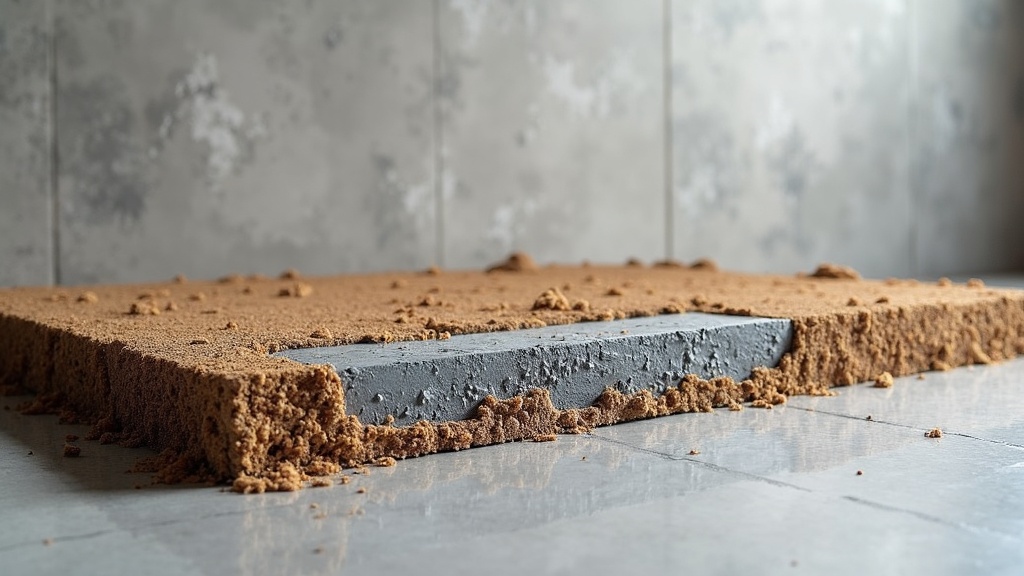
Comprehensive Backfill Grouting Guide for Tunnelling
Read this backfill grouting guide for tunnel construction. Learn about grout injection, two-component systems, and segmental lining support techniques today.
Table of Contents
- The Role of Annulus Grouting in Mechanized Tunnelling
- Material Selection and Two-Component Systems
- Injection Parameters and Pressure Control
- Borehole Backfilling and Environmental Protection
- Important Questions About Backfill Grouting Guides
- Comparing Grout Systems
- Practical Tips for Grout Injection
- Wrapping Up
Article Snapshot
A backfill grouting guide is a technical document detailing the methods and materials used to fill the annular void behind tunnel linings. It covers injection pressures, two-component systems, and structural support requirements for modern mechanized tunnelling projects to ensure long-term stability.
By the Numbers
- The annular void thickness between the extrados and excavated ground typically ranges from 5 to 15 centimeters (International Tunnelling and Underground Space Association, 2019)[1].
- Modern two-component systems target an initial gel time between 20 to 60 seconds to limit segment movement (AFTES, 2024)[2].
- State-of-the-art materials are designed to reach 0.5 to 1.0 megapascals of compressive strength at 28 days (Journal of Rock Mechanics and Geotechnical Engineering, 2023)[3].
A backfill grouting guide provides essential insights for civil engineers and construction teams working on underground infrastructure. When a tunnel boring machine advances, it leaves a gap between the excavated ground and the newly installed segmental lining. Filling this space is critical to prevent ground movements and ensure structural integrity. This article explores the fundamental principles of annulus grouting, examining material properties, injection techniques, and quality control measures. We will review the performance requirements for modern two-component grout systems and discuss how to manage grout pressure and flow rate during operations. Whether you are dealing with shield tunnelling in soft soil or hard rock conditions, understanding these parameters is vital. By following a structured backfill grouting manual, project teams can mitigate risks like segment flotation and long-term settlements, ultimately delivering safer and more durable underground structures.
The Role of Annulus Grouting in Mechanized Tunnelling
Annulus grouting serves as the primary mechanism for transferring ground loads to the segmental lining while minimizing surface settlements. As the shield tail of the tunnel boring machine moves forward, an over-excavated volume is created. This gap must be filled immediately to support the surrounding earth. According to Arnoud van der Star, Chair of the ITAtech Activity Group for Backfilling and Grouting, “Backfill grouting is essential to control ground movements and to ensure that the segmental lining is properly supported over its entire circumference as the tunnel boring machine advances” (International Tunnelling and Underground Space Association, 2019)[1].
In mechanized tunnelling, the annulus grout typically accounts for about 10 to 20 percent of the excavated volume because it must fill the over-cut and shield tail gap around the segmental lining (International Tunnelling and Underground Space Association, 2019)[1]. A comprehensive guide to backfill grouting emphasizes that failing to fill this void completely can lead to significant surface subsidence and structural damage. The grout must possess adequate stiffness to bear the earth pressure without deforming. For specific mixer configurations used to prepare these heavy mixes, consult the sample page on colloidal grout plants. Proper mixing ensures that the slurry maintains its homogeneity before it is pumped into the annular void, securing the tunnel alignment for decades.
Material Selection and Two-Component Systems
Selecting the appropriate grout mix is fundamental to achieving rapid strength gain and maintaining pumpability over long distances. The annular space demands a material that flows easily through delivery pipes but sets quickly once it reaches the target zone. Emilio D’Elia, Lead Author of the ITAtech Guidelines, notes that “A well‑designed backfill grout mix must achieve rapid strength gain and sufficient stiffness while remaining pumpable over the required distance from the TBM to the annulus around the lining” (International Tunnelling and Underground Space Association, 2019)[1].
Modern backfill grout instructions frequently highlight the advantages of two-component grout systems. These systems combine a cement-based slurry with an accelerator right at the injection nozzle. Nicolas Rivard, a Tunnel Specialist with the AFTES Working Group, explains that “Two‑component backfilling grout systems have become the reference solution for mechanized tunnelling because they allow immediate gelation in the annulus, limiting segment flotation and early‑age deformations of the lining” (AFTES, 2024)[2]. This immediate gelation prevents the liquid grout from migrating into surrounding soil fissures. The final density of these mixes generally targets 1.3 to 1.6 tonnes per cubic meter to balance pumpability, strength, and ground load transfer (AFTES, 2024)[2]. This precise engineering ensures the extrados of the tunnel remains fully supported under varying geological conditions.
Injection Parameters and Pressure Control
Strict control of grout injection pressure and flow rate is critical to avoid lifting the lining or inducing new leakage paths. When pumping material into confined spaces, excessive force can displace the newly placed concrete segments. A detailed backfilling grout guide outlines specific thresholds to maintain structural safety. For instance, when backfilling the void between an existing tunnel invert and the rock mass, maintaining a grout injection pressure of about 200 kilopascals with a flow rate below 5 liters per minute is recommended (Jines Construction Co., 2023)[4].
Operators monitor these metrics continuously. The grout flow is typically stopped when the injection volume falls below 5 liters per minute at the target pressure, indicating that the main voids have been filled (Jines Construction Co., 2023)[4]. Adjusting the water-cement ratio is another vital control measure. An initial water‑cement ratio of 0.6 is commonly used and may be adjusted within a range from 0.4 to 2.0 depending on injection pressure and leakage conditions (Jines Construction Co., 2023)[4]. For broader industry standards, engineers often refer to the ITAtech guidelines on segment backfilling to ensure all pressure parameters align with global best practices. Adhering to these limits prevents blowouts and ensures uniform distribution of the grout behind the lining.
Borehole Backfilling and Environmental Protection
Beyond tunnel linings, backfilling drill holes and boreholes is essential to prevent cross-contamination of aquifers and minimize surface water entry. Geotechnical investigations require drilling deep into the earth, and leaving these holes open poses severe environmental risks. A thorough backfill grouting handbook includes strict protocols for sealing these exploratory shafts. Texas Department of Transportation guidelines require that all borings under existing pavement be backfilled with bentonite pellets or cement-bentonite grout to at least 6 inches below the bottom of the pavement structure (Texas Department of Transportation, 2022)[5].
These specific materials are chosen for their low permeability and swelling properties. Bentonite pellets and cement-bentonite grout are the preferred backfill materials for drill holes to minimize the entry of surface water and prevent cross-contamination of aquifers (Texas Department of Transportation, 2022)[5]. When the pellets encounter groundwater, they expand to form a tight, impermeable seal that mimics the natural clay layers of the subsurface. This practice is crucial in shield tunnelling and other deep excavation projects where groundwater management is a primary concern. To see our latest project announcements and equipment updates, visit the hello world post on our blog. Proper borehole sealing ensures that construction activities do not compromise local water tables or destabilize the surrounding soil matrix.
Important Questions About Backfill Grouting Guides
What is the primary purpose of a backfill grouting guide?
The primary purpose of this documentation is to provide engineers with standardized procedures for filling the annular void behind tunnel linings. It details material specifications, injection pressures, and quality control measures to ensure structural stability. By following these protocols, construction teams can prevent ground settlements, manage groundwater inflow, and protect the segmental lining from uneven earth pressures during and after the excavation process.
How does two-component grout differ from traditional cement mixes?
Two-component systems mix a cement-based slurry with a chemical accelerator directly at the injection nozzle, rather than in the main batching plant. This allows the grout to remain highly pumpable over long distances while achieving an immediate gel time of 20 to 60 seconds upon entering the annulus. This rapid setting prevents the grout from migrating into soil fissures and stops the tunnel segments from floating before the material hardens.
What pressure limits are recommended for grout injection?
Pressure limits depend on the specific application and geological conditions. For backfilling voids between old tunnel inverts and rock mass, maintaining an injection pressure around 200 kilopascals is generally recommended. Operators also monitor the flow rate, typically stopping injection when it drops below 5 liters per minute at the target pressure. These strict limits prevent the grout from lifting the structural lining or creating new leakage paths in the surrounding rock.
Why are bentonite pellets used in borehole backfilling?
Bentonite pellets are highly effective for sealing exploratory drill holes because of their unique swelling properties. When exposed to groundwater, the pellets expand significantly to form a dense, impermeable barrier. This seal prevents surface runoff from entering the borehole and stops the cross-contamination of different underground aquifers. Transportation and environmental agencies frequently mandate their use to protect local water tables and maintain the structural integrity of overlying pavements.
Comparing Grout Systems
Selecting the right material depends on the geological conditions and the specific requirements of the mechanized tunnelling project. Different systems offer distinct advantages regarding setting time, strength, and pumpability. The table below outlines the primary differences between the most common backfill materials used in modern construction.
| Grout Type | Setting Time | Primary Use Case | Key Advantage |
|---|---|---|---|
| Single-Component | Slow (Hours) | Stable ground conditions | Simple logistics and lower cost |
| Two-Component | Rapid (Seconds) | Soft ground and high water pressure | Immediate gelation prevents segment flotation |
| Cement-Bentonite | Moderate | Borehole sealing and invert backfilling | High swelling capacity and low permeability |
Practical Tips for Grout Injection
Executing a successful backfill grouting manual requires careful planning and continuous monitoring on the job site. Engineers must balance the physical properties of the mix with the mechanical limitations of the pumping equipment. Implementing the following best practices will help ensure uniform void filling and long-term structural support.
- Calibrate equipment daily: Ensure that the flow meters and pressure gauges on the grout pumps are calibrated before every shift to maintain accurate injection records.
- Monitor the water-cement ratio: Test the slurry density frequently at the batching plant to ensure the water-cement ratio remains within the specified 0.4 to 2.0 range.
- Sequence the injection ports: Inject grout through multiple ports simultaneously to distribute the material evenly around the extrados and prevent localized pressure spikes.
Additionally, keep detailed logs of the injection volume and pressure for every ring installed. This data is invaluable for identifying trends in ground behavior and adjusting the mix design for subsequent drives. Proper training for the TBM operators and grout plant technicians is equally critical to maintain consistent quality throughout the project lifecycle.
Wrapping Up
Mastering the techniques outlined in a comprehensive backfill grouting guide is essential for the success of any underground infrastructure project. From controlling ground movements with two-component systems to sealing boreholes with bentonite pellets, every step ensures the longevity and safety of the structure. By strictly managing injection pressures and selecting the right materials, engineering teams can mitigate significant geological risks. For more insights into mixing equipment and plant operations, explore the resources available on colloidalgroutplants.com to optimize your next tunnelling project.
Learn More
- Guidelines on best practices for segment backfilling. International Tunnelling and Underground Space Association (ITAtech).
https://about.ita-aites.org/wg-committees/itatech/publications/1045/guidelines-on-best-practices-for-segment-backfilling - Performance requirements for two-component backfilling grout in mechanized tunnelling. AFTES (French Tunnelling and Underground Space Association).
https://www.geeg.it/wp-content/uploads/2024/09/Paper-AFTES-n%C2%B0-131.pdf - A state-of-art review on development and progress of backfill grouting materials for shield tunnelling. Journal of Rock Mechanics and Geotechnical Engineering (Elsevier).
https://www.sciencedirect.com/science/article/pii/S2666165923001321 - Backfill grouting between old tunnel inverts and rock mass. Jines Construction Co.
https://www.jines.com/en/backfill-grouting-between-old-tunnel-inverts-and-rock-mass/ - Borehole Backfilling Guidelines. Texas Department of Transportation.
https://www.txdot.gov/manuals/brg/geo_lrfd/chapter-3/post-drilling-/borehole-backfilling.html
For more about Backfillgrouting guide, see Backfillgrouting Guide.