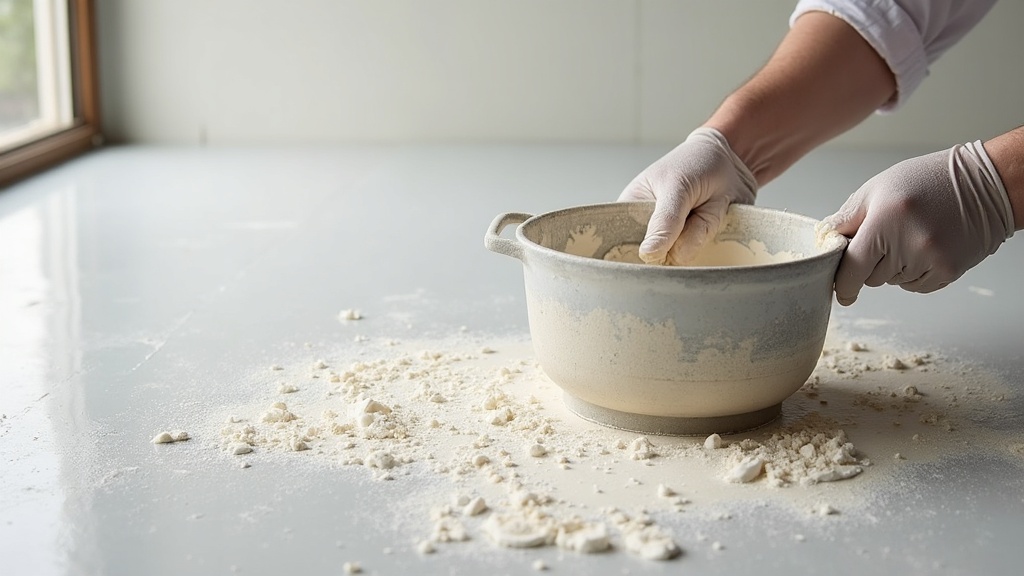
Grout Mixing Guide for Perfect Tile Consistency
Use this grout mixing guide to ensure perfect consistency for tilework. Learn expert tips on water ratios, slaking times, and mixing methods for lasting results.
Table of Contents
- Key Takeaway
- By the Numbers
- Introduction
- The Grout Mixing Guide to Water Ratios and Consistency
- Optimal Mixing Times and Techniques
- Environmental Factors and Deep Pours
- Applying the Grout Mixing Guide to Troubleshoot Issues
- Important Questions About the Grout Mixing Guide
- Comparing Grout Types
- Practical Tips
- Final Thoughts on the Grout Mixing Guide
For more about Groutmixing guide, see get expert advice on groutmixing guide.
Key Takeaway
A grout mixing guide provides a systematic approach to blending cementitious materials with water to achieve optimal structural integrity. Proper execution prevents segregation, ensures uniform flow, and guarantees long-lasting tile and baseplate support.
By the Numbers
- ChemGrout recommends loading 80 percent of total batch water before adding cement (ChemGrout Inc., 2025)[1].
- SpecChem advises mixing for 3-4 minutes to achieve a homogeneous mix (SpecChem, 2025)[2].
- The Home Depot states grout should slake for 10 minutes before remixing (The Home Depot, 2026)[3].
- Big League Construction Services suggests adding 50 percent pea gravel for deep pours (Big League Construction Services, 2026)[4].
Introduction
Grout mixing guide principles form the foundation of any successful masonry or tile installation. Whether you are securing heavy machinery baseplates or finishing a residential bathroom, the quality of your blend dictates the longevity of the project. A poorly prepared mixture can lead to segregation, weak structural support, or premature cracking. Conversely, a well-executed blend provides seamless flow and enduring stability. This article explores the essential mechanics of preparation, focusing on water-to-cement ratios, optimal blending durations, and environmental considerations. We will also examine troubleshooting techniques for common consistency issues and compare different material types. By understanding these core concepts, contractors and DIYers alike can elevate their craftsmanship and ensure every batch meets rigorous industry standards for structural support. Mastering these fundamentals transforms a routine task into a precise science.
The Grout Mixing Guide to Water Ratios and Consistency
The water-to-cement ratio is the single most critical variable in determining the final strength and flowability of any cementitious blend. Getting this balance right ensures the material cures properly without shrinking or cracking. According to industry experts, the liquid component must be carefully measured. As the ChemGrout Engineering Team explains, “Since the water‑to‑cement ratio is the most important factor in the quality of grout, the water content should be kept to the minimum that will produce a grout that is just pourable” (ChemGrout Inc., 2025)[1].
To achieve this, always use clean, potable water. Eric W. Kumer, Technical Sales Manager at SpecChem, advises users to “Use clean, potable water in the correct ratio for the batch size and mix the grout for at least three to four minutes to achieve a uniform, lump‑free consistency” (SpecChem, 2025)[2]. For tile applications, the visual cue is equally important. The Home Depot Installation Services Editorial Team notes that “The consistency of grout should resemble smooth peanut butter – malleable but not dripping from the trowel when lifted” (The Home Depot, 2026)[3]. When working with large-scale industrial projects, utilizing high-shear colloidal mixing equipment ensures that the thick batter texture remains uniform throughout the entire batch size.
If the mixture is too wet, it will fail to provide adequate structural support. If it is too dry, it will not flow into the necessary crevices. Finding that perfect middle ground requires patience and precise measurement. Always add the dry powder to the liquid gradually, allowing the mechanical action to break down any dry pockets. This methodical approach prevents the formation of dry clumps that can compromise the integrity of the final placement.
Optimal Mixing Times and Techniques
Achieving a homogeneous mix requires strict adherence to specific blending durations and mechanical methods. Rushing this process is a common mistake that leads to weak spots and uneven curing. For standard batches, SpecChem advises mixing cementitious materials for at least 3-4 minutes to achieve a proper, homogeneous mix (SpecChem, 2025)[2]. However, larger volumes demand more time. Big League Construction Services recommends mixing grout for about 5 minutes for large batches until the mix is lump‑free (Big League Construction Services, 2026)[4].
Advanced Grout Mixing Blending Techniques
The sequence of adding ingredients also plays a vital role. ChemGrout recommends loading approximately 80 percent of the anticipated batch water into the mixer before adding cement when preparing grout mixes (ChemGrout Inc., 2025)[1]. This prevents the cement from clumping at the bottom of the drum. Furthermore, the quality of the aggregates used in custom blends must be carefully selected. ChemGrout notes that sand used in grout mixes should generally be clean, well‑graded, and of rounded, natural shape to support a stable suspension of solids (ChemGrout Inc., 2025)[1]. Following these grout preparation guide steps ensures that every component is fully integrated. Once the initial blending is complete, the mixture must rest. This crucial pause allows the chemicals to fully activate before the final agitation.
Using a mechanical paddle attached to a heavy-duty drill is usually sufficient for residential tasks, but industrial applications require dedicated pumps and mixers. Regularly inspecting your tools and adhering to colloidal grout plant maintenance schedules will prevent mechanical failures mid-pour. Proper equipment care guarantees that the mechanical energy transferred to the mixture remains consistent from the first batch to the last.
Environmental Factors and Deep Pours
Ambient temperature and pour depth significantly influence the chemical hydration process and structural stability of the placement. Extreme temperatures can accelerate or halt the curing process, leading to catastrophic failures. In cold weather, Big League Construction Services recommends maintaining grout and substrates at or above 4 degrees Celsius (40 degrees Fahrenheit) during mixing and placement in cold weather (Big League Construction Services, 2026)[4]. Heating the mixing water or using insulated blankets over the placement area are common strategies to maintain this minimum threshold. For more detailed thermal management strategies, professionals often consult the Bureau of Reclamation concrete manuals to ensure compliance with federal engineering standards.
Depth is another critical variable that dictates the formulation of the blend. Standard formulations generate significant heat as they cure, which can cause thermal cracking in thick applications. For grout pours exceeding 100 millimeters in depth, Big League Construction Services advises adding up to 50 percent pea gravel by volume to the grout mix for stability and reduced heat buildup (Big League Construction Services, 2026)[4]. This aggregate addition acts as a thermal sink, absorbing the exothermic reaction and preventing internal fractures. When executing deep pours, it is also essential to monitor the formwork for leaks, as the increased hydrostatic pressure can force the liquid out of the cavity before it sets. Properly bracing the forms ensures the material stays exactly where it is needed.
Additionally, wind and direct sunlight can rapidly draw moisture out of the surface, causing plastic shrinkage cracks. Erecting temporary windbreaks and applying curing compounds immediately after placement helps retain the necessary moisture for a complete chemical reaction.
Applying the Grout Mixing Guide to Troubleshoot Issues
Identifying and correcting physical defects during placement prevents costly rework and structural failures. Even with careful preparation, variables on the job site can alter the behavior of the material. The most frequent issue is improper flowability, which directly impacts how well the material fills the void space. According to the Big League Construction Services Technical Team, “Proper grout consistency depends on baseplate clearance and job complexity – too fluid and you risk segregation, too stiff and it will not flow to fully support the plate” (Big League Construction Services, 2026)[4].
If the mixture begins to segregate, meaning the heavy aggregates sink while the watery cement paste rises to the top, the water-to-cement ratio is too high. The only safe remedy is to discard the batch and start over, as adding more dry powder to a wet batch rarely restores the original chemical balance. Conversely, if the blend is too stiff and refuses to flow under the baseplate, it lacks the necessary lubrication. In this scenario, adding a very small, carefully measured amount of water and re-blending for two minutes can restore workability. However, this must be done before the initial set begins. Another common problem is the formation of air pockets or voids beneath the machinery. To prevent this, always pour from one side of the formwork, allowing the material to push the air out ahead of it. Using a rod to gently agitate the edges also helps release trapped bubbles, ensuring complete contact with the substrate.
Finally, always clean your tools immediately after use. Cementitious materials harden rapidly, and allowing them to cure on your mixing paddles will ruin the equipment and contaminate future batches.
Important Questions About the Grout Mixing Guide
Can I use pre-mixed products instead of following a manual blending process?
Yes, pre-mixed options are highly effective for smaller projects. The Hemway Product Education Team explains that “Ready‑mixed grout takes the guesswork out of mixing by providing a pre‑blended, consistent formula, which is particularly helpful for DIYers who may struggle to achieve the right water‑to‑powder ratio” (Hemway, 2026)[5]. These products eliminate the need for measuring water and dry powder, reducing human error. However, for large-scale industrial applications, site-mixed cementitious blends remain the standard due to their superior load-bearing capacity.
Why does the mixture need to rest before application?
This resting period is known as slaking, and it is a vital chemical step. The Home Depot tile installation guide states that grout should be allowed to slake, or rest, for up to 10 minutes after initial mixing before being remixed and applied (The Home Depot, 2026)[3]. During this time, the water fully penetrates the dry particles, and the chemical additives activate. Skipping this process can result in a mixture that stiffens prematurely. After the rest period, a brief remix restores ideal workability.
How long does the material take to harden completely?
The curing timeline depends on the specific formulation and ambient conditions. The Home Depot notes that cementitious grout typically hardens completely within 30 to 60 minutes after mixing (The Home Depot, 2026)[3]. Because of this rapid set time, it is crucial to only mix as much material as you can comfortably place within that window. Once the material begins to stiffen in the bucket, it cannot be re-tempered with additional water. Planning your batch sizes to match your placement speed is essential.
What type of sand is best for custom blends?
When creating custom mortar and grout mixing formulations, the aggregate profile is crucial. ChemGrout notes that sand used in grout mixes should generally be clean, well‑graded, and of rounded, natural shape to support a stable suspension of solids (ChemGrout Inc., 2025)[1]. Angular sands can create interlocking friction that reduces flowability. Furthermore, the sand must be free of organic matter and salts, which can interfere with the hydration process and weaken the final structural support.
Comparing Grout Types
Selecting the correct material ensures long-term durability and aesthetic appeal. Different formulations serve distinct purposes, ranging from delicate residential tile work to heavy industrial machinery placement. Understanding these variations helps contractors choose the right product for the job.
| Type | Best Use Case | Key Characteristic |
|---|---|---|
| Cementitious | Heavy machinery baseplates | High compressive strength and deep pour capability |
| Epoxy | Commercial kitchens and wet areas | Extreme chemical resistance and stain prevention |
| Pre-mixed | Residential backsplashes and small repairs | Convenient application with no blending required |
Following a reliable grout mixing guide ensures that whichever type you select is handled according to the manufacturer’s specific requirements, maximizing the performance of the chosen product.
Practical Tips
Executing a flawless placement requires attention to detail and adherence to industry best practices. Implementing these strategies will improve your efficiency and the overall quality of your work.
- Always dampen the substrate before pouring to prevent the dry surface from absorbing moisture out of the fresh blend, which causes premature cracking.
- Use a margin trowel to scrape the sides of the mixing bucket thoroughly, ensuring no dry pockets remain unmixed at the bottom or edges.
- Monitor the ambient temperature continuously; if it drops below the recommended threshold, halt the pour and protect the exposed material with thermal blankets.
Staying updated on modern grout blending tutorial methods can also introduce you to advanced chemical admixtures that improve flowability without increasing the water content. Furthermore, maintaining a clean workspace is non-negotiable. Wash all tools, buckets, and pumps immediately after the batch is placed. Dried cementitious material is incredibly difficult to remove and can damage expensive machinery. For large operations, reviewing equipment maintenance protocols ensures your machinery operates at peak efficiency, delivering a consistent, high-quality product every single time.
Final Thoughts on the Grout Mixing Guide
Mastering the art of preparation is what separates amateur installations from professional, long-lasting results. By strictly controlling the water-to-cement ratio, respecting blending times, and accounting for environmental variables, you ensure optimal structural integrity. This grout mixing guide provides the foundational knowledge needed to tackle both residential and industrial projects with confidence. Remember that patience during the slaking phase and careful attention to consistency will always pay off in the final cure. For contractors looking to upgrade their capabilities, exploring colloidal equipment rental options can significantly enhance your mixing efficiency and overall project outcomes.
Sources & Citations
- Tips Regarding Grout Mixes. ChemGrout Inc.
https://www.chemgrout.com/resoures-tips-regarding/ - Mastering Cementitious Grout Applications: A Comprehensive Guide. SpecChem.
https://specchem.com/resources/mastering-cementitious-grout-applications-a-comprehensive-guide/ - How to Mix Grout. The Home Depot.
https://www.homedepot.com/c/ah/how-to-mix-grout/9ba683603be9fa5395fab9012db933cb - Best Practices for Cementitious Grout Preparation and Placement. Big League Construction Services.
https://bigleaguecs.com/best-practices-for-cementitious-grout-preparation-and-placement/ - The Ultimate Guide to Pre‑Mixed Grout: Everything You Need to Know. Hemway.
https://us.hemway.com/blogs/inspiration/the-ultimate-guide-to-pre-mixed-grout-everything-you-need-to-know