colloidalmixers guide: High Shear Mixing
Read our complete colloidalmixers guide for high-shear grout preparation. Learn how micro-suspension technology improves cement grout strength and stability.
Table of Contents
- Core Concepts in This colloidalmixers guide
- Performance and Strength Improvements
- Material Handling and Mix Ratios
- Applications in Geotechnical Engineering
- What People Are Asking
- Comparing Mixing Technologies
- Practical Tips for Grout Preparation
- Key Takeaways
Article Snapshot
This colloidalmixers guide is a technical overview of high-shear mixing equipment used in geotechnical engineering. This advanced technology creates a stable micro-suspension of cement particles, ensuring thorough dispersion, reducing grout bleeding, and significantly improving the compressive strength of cementitious grout for critical ground improvement and stabilization work.
Quick Stats: colloidalmixers guide
- Modern industrial units achieve production capacities up to 110 cubic metres per hour (AMIX Systems, 2025)[1].
- High-shear technology handles water-cement ratios as low as 0.33:1 while maintaining a homogeneous mix (AMIX Systems, 2025)[1].
- Colloidally mixed cemented rockfill samples show an average 10 megapascals improvement in 28-day compressive strength (Simem Underground, 2014)[2].
- Systems can successfully handle sands with a maximum particle size of 5 millimetres (Simem Underground, 2014)[2].
Introduction
Preparing stable and strong cement grout requires specialized mixing equipment. This colloidalmixers guide explores the mechanics, benefits, and applications of high-shear mixers in modern geotechnical projects. Unlike standard paddle mixers, these advanced systems apply intense shear action to break down particle clusters. The result is a highly stable suspension that resists separation and bleeding. Whether you are working on ground improvement, tunneling, or dam foundation stabilization, understanding this technology is crucial. In the following sections, we will examine the core operating principles, evaluate performance metrics, and compare different mixing approaches. By the end of this colloidalmixers guide, you will have a clear understanding of how to select and operate the right equipment for your specific grout preparation needs, ensuring optimal results for your next construction project.
Core Concepts in This colloidalmixers guide
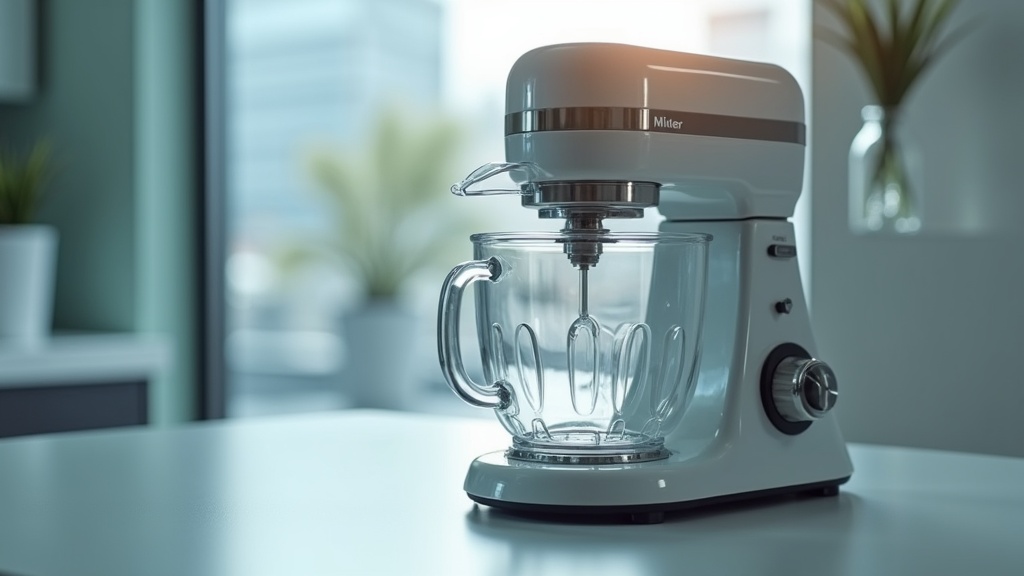
High-shear mixers function by applying intense mechanical force to break down cement particles and create a uniform suspension. The fundamental difference between a true colloidal mill and a standard mixer lies in the shear action applied to the slurry. While some systems simply use a centrifugal pump to recirculate the mixture and simulate shearing, true high-shear mixers utilize a specialized rotor-stator mechanism. This mechanism physically tears apart particle clusters, ensuring complete particle dispersion throughout the liquid medium.
According to geotechnical literature, “High-speed, high-shear mixers are often referred to as colloidal mixers in recognition of the nature of the suspension created” (Geosystems, L.P., 2020)[3]. This micro-suspension state is critical because it prevents the heavier cement particles from settling out of the water before the grout is pumped into the ground. For engineers planning a full-scale batching setup, reviewing comprehensive grout plant design strategies on colloidalgroutplants can help integrate these high-speed units into a seamless production workflow. The intense mechanical energy input not only accelerates the hydration process but also ensures that every drop of the mixture contains a perfectly balanced ratio of cement and water.
Performance and Strength Improvements
The primary advantage of utilizing the techniques outlined in this colloidalmixers guide is the measurable increase in the final compressive strength of the cured material. When cement particles are thoroughly dispersed rather than left in clumps, the hydration reaction occurs more uniformly. This uniformity directly translates to a denser, stronger final matrix once the grout cures. In demanding applications like underground mining and tunnel support, this extra strength is not just a bonus; it is a structural necessity.
Research into cemented rockfill demonstrates this benefit clearly. When comparing conventionally mixed materials with those processed through high-shear equipment, the colloidally mixed samples consistently outperform their counterparts. Industry experts note that “The high-shear colloidal mixer is generally recognised as the most efficient method of mixing cement-based grouts” (Simem Underground, 2014)[2]. The data supports this recognition, showing an average 10 megapascals improvement in 28-day compressive strength at a given density (Simem Underground, 2014)[2]. You can read more about the development of colloidal mixer-based CRF systems in this detailed technical report. This massive gain in structural integrity allows engineers to potentially reduce the overall cement content while still meeting strict design specifications, offering both performance and economic benefits.
Material Handling and Mix Ratios
Advanced mixing equipment allows engineers to push the boundaries of traditional material handling, particularly regarding extreme water-cement ratios and aggregate inclusion. Standard mixers often struggle with very thick or very thin slurries, leading to segregation or inadequate blending. High-shear technology, however, maintains a homogeneous mix even under extreme conditions. Modern industrial units can handle water-cement ratios as low as 0.33:1 by weight while keeping the slurry perfectly blended (AMIX Systems, 2025)[1].
This capability drastically reduces grout bleeding, which is the unwanted separation of water from the cement matrix. As noted in recent equipment selection literature, “Colloidal mixing technology represents a significant advancement in grout preparation, breaking down particle clusters and ensuring thorough dispersion” (AMIX Systems, 2025)[1]. Furthermore, these systems are not limited to pure cement and water. When sand is incorporated directly into the mixing chamber, the equipment can handle sand-to-water ratios up to 4:1 by weight, provided a minimum water-cement ratio of 1.12:1 is maintained (Simem Underground, 2014)[2]. The machines can successfully process sands with a maximum particle size of 5 millimetres (Simem Underground, 2014)[2], greatly enhancing grout pumpability and expanding the range of viable mix designs for complex stabilization work.
Applications in Geotechnical Engineering
The versatility of high-shear mixing technology makes it indispensable across a wide range of complex geotechnical and civil engineering applications. Because the resulting micro-suspension is highly stable and resistant to bleeding, it is the preferred choice for deep ground improvement projects where the grout must travel long distances through narrow soil fissures. In permeation grouting, the fine particle dispersion ensures that the cementitious grout can penetrate tight voids without clogging the injection tubes or filtering out prematurely.
Beyond soil stabilization, this technology is heavily utilized in dam foundation remediation, anchor grouting, and the creation of underground cut-off walls. The ability to pump highly stable mixes at high pressures without fear of phase separation is critical in these high-stakes environments. When sourcing equipment for these specialized tasks, consulting industry specialists like colloidalmixers ensures that the selected machine matches the specific viscosity and production demands of the project. Whether the task involves sealing a leaking tunnel or reinforcing a failing slope, the reliable performance of a high-shear mixer provides the foundational stability required for long-term infrastructure success.
What People Are Asking
What is the difference between a colloidal mixer and a standard paddle mixer?
A standard paddle mixer relies on low-speed agitation to fold materials together, which often leaves cement particles in clumps and results in a higher water-cement ratio to maintain flow. A colloidal mixer uses a high-speed rotor-stator mechanism to apply intense shear action. This physically breaks apart particle clusters, creating a stable micro-suspension that allows for much lower water content, higher strength, and significantly reduced grout bleeding compared to paddle-mixed slurry.
Can colloidal mixers handle sand and aggregates?
Yes, modern high-shear units are designed to handle sandy aggregates directly within the mixing chamber. They can process sand-to-water ratios up to 4:1 by weight, provided the base water-cement ratio remains above 1.12:1. The equipment is generally capable of handling sand particles up to 5 millimetres in size. This allows contractors to produce thick, stable cemented rockfill and sand-cement grouts without needing secondary agitation tanks.
How does high-shear mixing reduce grout bleeding?
Grout bleeding occurs when water separates from the heavier cement particles due to gravity. High-shear mixing prevents this by breaking the cement down to its finest particle size and dispersing it uniformly throughout the water. This creates a highly viscous, stable micro-suspension where the particles are locked in place by the fluid dynamics of the mix. The resulting slurry holds its water tightly, ensuring the grout cures uniformly without leaving weak, water-filled voids in the hardened matrix.
What maintenance is required for high-shear mixing equipment?
Because these machines operate at high speeds and handle abrasive cementitious materials, regular maintenance is essential. Operators must routinely inspect the rotor and stator components for wear, as the gap between them is critical for maintaining shear efficiency. Bearings and mechanical seals require frequent lubrication and inspection to prevent slurry ingress. Additionally, the mixing chamber must be thoroughly flushed with water immediately after use to prevent hardened cement from damaging the internal milling components.
Comparing Mixing Technologies
Selecting the right equipment requires understanding the operational differences between available mixing technologies. While standard mixers are cheaper upfront, they often fail to meet the strict performance criteria required for modern geotechnical stabilization work. The following table highlights the key differences between the primary mixing methods used in the industry today.
| Feature | High-Shear Colloidal Mixer | Standard Paddle Mixer | Centrifugal Pump Recirculation |
|---|---|---|---|
| Shear Action | Intense mechanical shearing | Low-speed folding/agitation | Fluid velocity simulation |
| Minimum Water-Cement Ratio | 0.33:1 | 0.45:1 or higher | 0.40:1 |
| Suspension Stability | Highly stable micro-suspension | Prone to segregation | Moderate stability |
| Compressive Strength Gain | Up to 10 MPa improvement | Baseline standard | Slight improvement |
As this colloidalmixers guide demonstrates, the high-shear option provides superior stability and strength, making it the definitive choice for critical infrastructure projects.
Practical Tips for Grout Preparation
Achieving the best results with high-shear equipment requires careful attention to operational details. First, always add the water to the mixing chamber before introducing the cement. This prevents the dry powder from packing into the stator gaps and causing immediate mechanical bind. Second, monitor the temperature of the slurry; the intense friction generated by the high-shear action can rapidly increase the grout temperature, potentially accelerating the set time beyond your working window.
When designing your mix, conduct small-scale laboratory trials to determine the exact water-cement ratio that provides the necessary pumpability without sacrificing strength. Keep a close eye on the amp draw of the mixer motor; a sudden spike in electrical current usually indicates that the slurry has become too thick or that abrasive wear is altering the rotor-stator clearance. For ongoing operational advice and troubleshooting, reviewing essential grout plant maintenance routines on colloidalgroutplants will help extend the lifespan of your investment and ensure consistent batch quality across every shift.
For more about Colloidalmixers guide, see read the full guide on colloidalmixers guide.
Key Takeaways
High-shear technology has fundamentally changed how engineers approach grout preparation and ground stabilization. By creating a stable micro-suspension, these machines eliminate bleeding, allow for ultra-low water-cement ratios, and dramatically boost the final compressive strength of the cured material. We hope this colloidalmixers guide has provided a clear overview of the mechanics and benefits of this essential equipment. To ensure your next project meets all structural specifications, explore our equipment selection checklist to find the perfect high-shear system for your specific site conditions.
Further Reading
- Complete Mixer for Grout Selection Guide 2025. AMIX Systems.
https://amixsystems.com/mixer-for-grout/ - The Development of Colloidal Mixer Based CRF Systems. Simem Underground.
https://simemug.com/wp-content/uploads/Development-of-Colloidal-Mixer-Based-CRF-Systems.pdf - Equipment for Cement Grouting: An Overview. Geosystems, L.P.
https://www.geosystemsbruce.com/v20/biblio/z155%20Equipment%20for%20Cement%20Grouting%20-%20An%20Overview.pdf